
How to Improve Humidity in the Home
Humidity in your house is not only about comfort, but it also has a direct effect on your health, indoor air quality, the durability of your furniture and the overall experience of living. One of the conditions that is frequently observed is dry indoor air, particularly during colder seasons or in an air-conditioned room. Fortunately, practical, natural, and mechanical means of increasing the humidity of the indoor air are safe and effective. This guide is all you need to know about increasing the humidity in the home environment with effective, sustainable techniques.
Understanding Indoor Humidity
Before taking action, it is necessary to know the meaning of indoor humidity and why it is important in the lives of people in a house.
What Is Humidity?
Humidity is the quantity of water in the atmosphere. The humidity levels inside the homes vary by climate, season, heating systems, ventilation and household activities. Low humidity will cause the air to become dry and uncomfortable, leading to health and structural problems.
Ideal Humidity Levels for Homes
The recommended indoor humidity level for homes is normally between 30% and 50%. This range helps respiratory health, skin moisture, and material stability while preventing mould growth and dust mites. The humidity should be healthy and balanced. Humidity is the key to a healthy indoor environment.
Why Low Humidity Is a Problem
High humidity can be considered harmless, and over time, the drying effect of dry air can have a harmful effect on people and goods.
Health Issues Caused by Dry Air
Indoor air drying may result in the irritation of the respiratory system, exacerbation of allergies and development of asthma symptoms, as well as production of dry skin, cracked lips, and itchy eyes. It may as well predispose one to colds and infections because it dries the nasal passages that are usually used to trap bacteria and viruses.
Effects on Furniture and Home Structure
Wooden furniture, flooring, doors and musical instruments may suffer as a result of low humidity, which damages them through cracking, warping and shrinking. Dry air can damage paint and wallpaper and also cause more static electricity, making electronics harder to use and everyday life less comfortable.
Signs Your Home Has Low Humidity
Being aware of the symptoms of low humidity will help you counter the issue before it gets out of hand.
Physical Symptoms
Symptoms such as dry skin, sore throat, frequent nosebleeds, dry cough, and high levels of shock in the stature are common. The symptoms usually become severe in winter or when the heating systems are on round the clock.
Household Indicators
Household indicators include cracked wood, wilting plants, patterns clinging to clothes, and areas that remain consistently dry even after being cleaned or despite previously having moisture.
Natural Ways to Improve Humidity in the Home
Natural humidity boosting methods are low-cost, eco-friendly, and simple to implement.
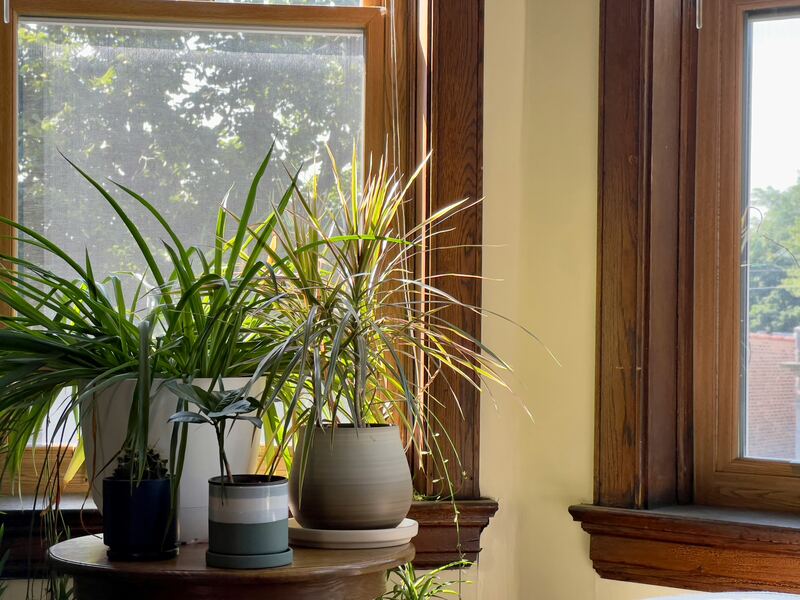
Using Indoor Plants
Transpiration is a natural process that causes the release of moisture by house plants into the air. This process helps improve humidity levels as well as enhance the quality of the air and the beauty.
Best Plants for Humidity
Peace lily, areca palm, spider plant, and rubber plant are particularly effective plants that can be used to boost the moisture of the indoors without having to pay much attention to them.
Air Drying Laundry Indoors
Using indoor drying of clothes enables water to evaporate. Putting drying racks in a well-ventilated space could be used to increase the humidity without extra consumption of energy.
Cooking and Boiling Water Safely
Moisture is emitted in the air by cooking, steaming of vegetables and boiling of water naturally. Opening the door to the kitchen when conducting such activities enables humidity to circulate in the house.
Using Water-Based Methods
Basic water solutions will greatly enhance the humidity level inside the house.
Placing Water Bowls Near Heat Sources
Placing trays or bowls of water under radiators or heating, ventilation permits the moisture to be introduced into the dry air more swiftly.
Decorative Fountains and Aquariums
Fountains and aquariums that are placed indoors release moisture into the air continuously and beautify the interior decor, and soothe the environment.
Mechanical Solutions for Humidity Control
Mechanical solutions can be used when the humidity can only be controlled and maintained in a uniform manner by natural methods.
Portable Humidifiers
Single room humidifiers are portable and 1. ultrasonic, 2. evaporative and 3. steam-powered. They are convenient to use and permit an accurate change in humidity.
Choosing the Right Humidifier
Tamper with the choice of humidifiers depending on the size of the room, the degree of noise, maintenance, and the built-in humidity sensors. Frequent cleaning should be done to avoid minerals and bacteria.
Whole House Humidifiers
Whole-house humidifiers are devices that are combined with an HVAC system to control the humidity in the whole house. They are suitable for big houses and offer a stable supply of moisture all year round.
Improving Humidity Room by Room
The humidity requirements of the various rooms differ depending on how the rooms are used and ventilated.
Bedroom Humidity Improvement Tips
Proper humidity in the bedrooms enhances the quality of sleep and respiratory comfort. A nighttime humidifier should be used quietly, and plants should also be kept to keep the moisture levels balanced.
Living Room and Office Areas
The residence rooms enjoy humidity decor, water elements, and proper air circulation. Moderate humidity helps in the preservation of electronics, furniture and comfort during extended indoor time.
Preventing Over-Humidification
Though it is essential to increase the humidity, too much moisture may cause additional issues.
Risks of Excess Humidity
The presence of high humidity may cause the growth of moulds, dust mites, condensation, and nasty smells. It can also destroy walls, ceilings and insulation.
Monitoring with Hygrometers
A hygrometer is an accurate way of measuring the humidity inside the house. Maintaining the humidity is a means of maintaining the humidity at the recommended level to avoid over-humidification.
Seasonal Humidity Management
The humidity control measures must vary with the season.
Winter Humidity Challenge
Indoor moisture is greatly decreased during cold weather and by heating systems. During the winter period, humidifiers and natural processes are necessary to maintain comfort and health.
Summer Humidity Balance
In summer, the goal is balance. Air conditioners also dehumidify, although there are climates where too much outside air can be taken in by humidifying it.
Final Thoughts on Improving Home Humidity
Enhancing humidity in your house is a useful health, comfort and property protection investment. A combination of natural solutions, mechanical systems, and frequent monitoring will help you to create a balanced indoor environment, which will help in supporting well-being throughout the year. Even minor adjustments can result in a visible difference that will transform the dry air indoors into a healthier and more comfortable living environment.
Frequently Asked Questions (FAQs)
1. What is the fastest way to increase humidity in a room?
Using a portable humidifier is the quickest and most controlled method to raise indoor humidity levels.
2. Can low humidity affect sleep quality?
Yes, dry air can irritate airways and skin, leading to poor sleep and discomfort during the night.
3. Are indoor plants enough to improve humidity?
Plants help increase humidity gradually, but they may not be sufficient alone in very dry environments.
4. How often should I clean my humidifier?
Humidifiers should be cleaned at least once a week to prevent mould, bacteria, and mineral buildup.
5. Is it possible to have too much humidity indoors?
Yes, excessive humidity can cause mould growth and structural damage, which is why monitoring is essential.